
After years on the plant floor, I have learned one hard truth: your entire recycling line lives or dies by how well you match size reduction to pelletizing. You can have the most expensive extruder on the market, but if your shredder and granulator are feeding it inconsistent material, you will spend every shift fighting clogs, surging, and off-spec pellets.
Let me walk you through how I think about this relationship.
Size reduction is not one step—it is two.
Early in my career, I tried to save floor space by running thick purges straight into a granulator. It worked for about two hours. Then the rotor jammed, and I spent the rest of the shift with a torch and a pry bar. That is when I learned the difference between primary and secondary reduction.
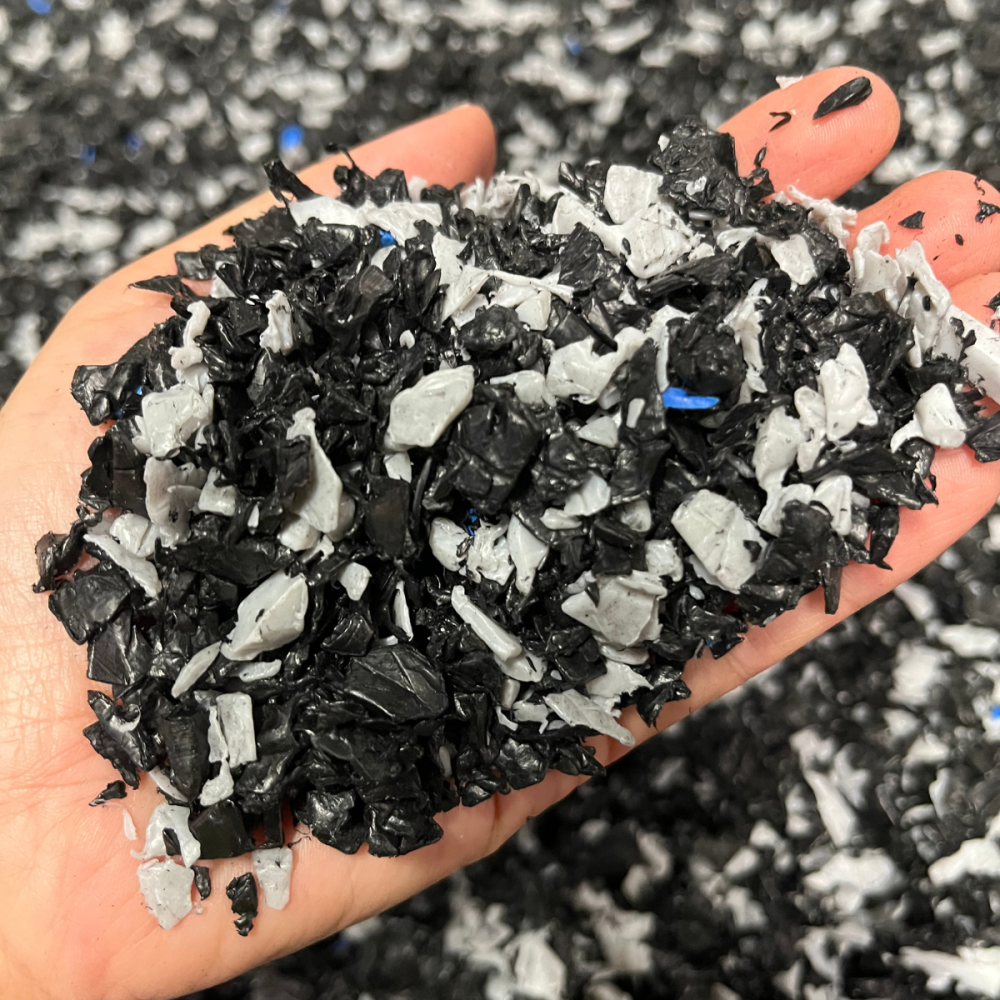
A shredder is a primary reducer. It handles the awkward stuff—purgings, pipe bundles, crates. It chews them into 40–60mm chips at low speed with high torque. A granulator is a sizing machine. It takes those chips and cuts them down to uniform 8–12mm flake that can feed an extruder consistently.
I have seen plants skip the shredder and try to force bulky parts into a granulator. The result is always the same: choked infeed, overheated motors, and blades that wear out in weeks instead of months. Two stages take more floor space, but they also take the headache out of your day, and more often than not, increase your production rate.
The pelletizer is the ultimate quality inspector.
Here is something nobody tells you when you start: the pelletizer will find every inconsistency in your upstream process. If your granulator produces too many fines, your melt filter blinds faster. If your flake size varies too much, the screw surge throws off your dosing. If contamination slips through, you will see it in the strands—weak spots, discoloration, or worse, a complete break. Also, always check with your end user if they had any successes or failures with a certain mesh screen size. These lessons learned from the past will help save you time from trial and error.
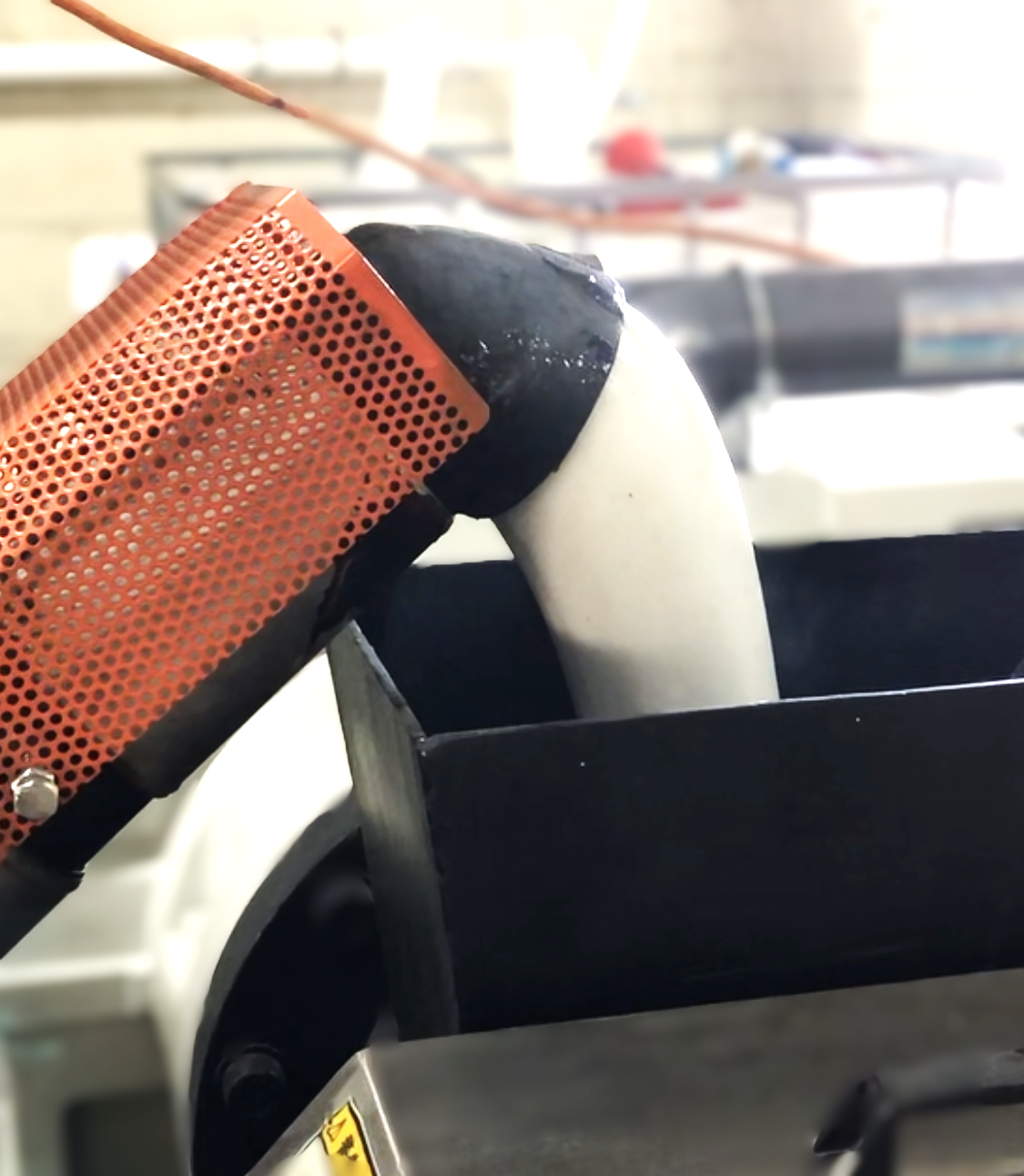
I run a water ring pelletizer on most lines because it handles the throughput and delivers clean, consistent cut. But even the best pelletizer cannot fix bad feed. That is why I pay so much attention to the rotor design upstream. Zerma's V-cut technology, for example, is explicitly designed to minimize fines. Herbold's heavy-duty granulators emphasize precision cutting geometry. When your flake is uniform, your melt is stable, and your pellets tell that story.
Washing changes everything.
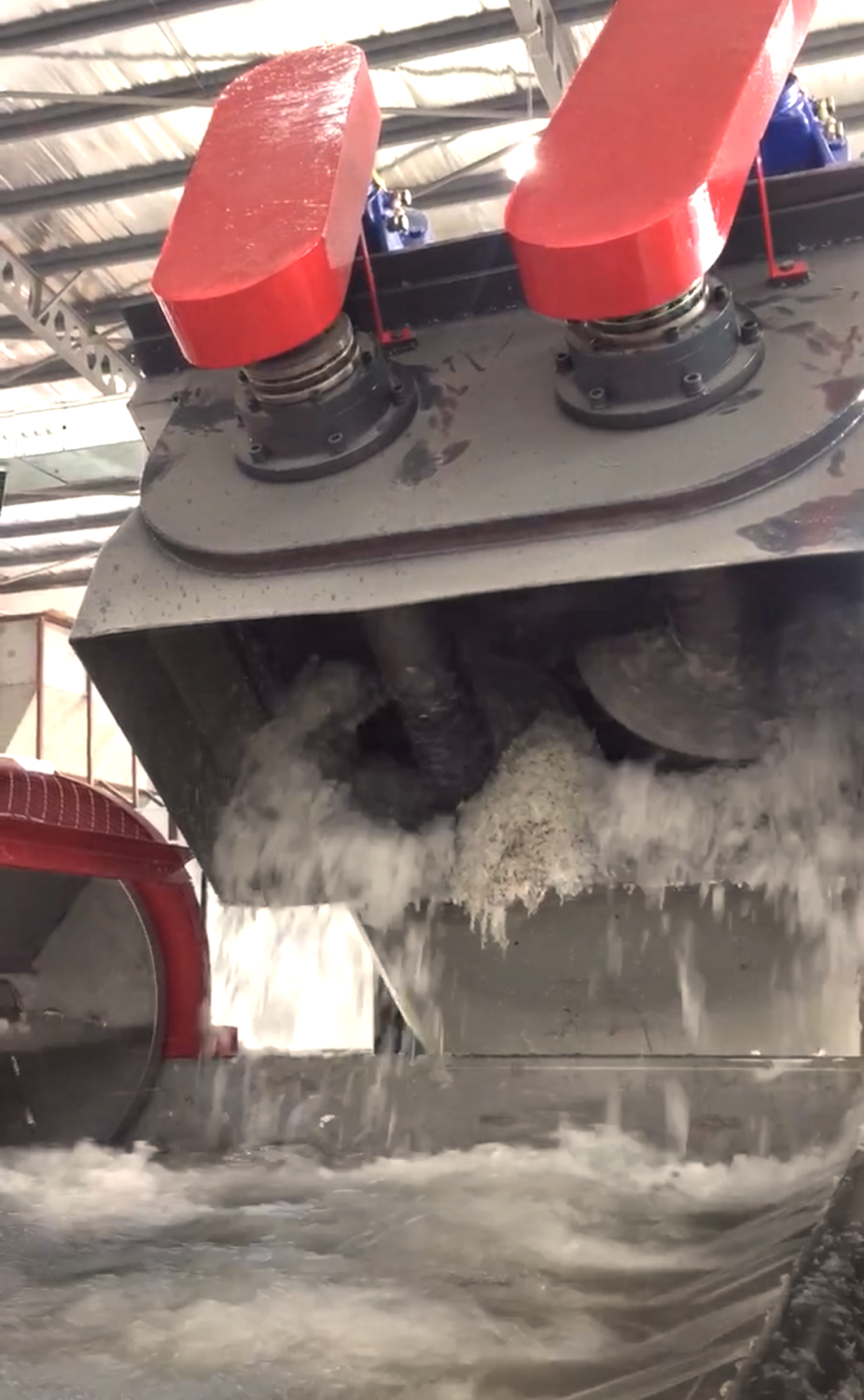
If your scrap is dirty—and most post-consumer scrap carries some oil, dust, or label residue—you need to think about where washing fits. I have run lines where we washed after granulation, and I have run integrated lines where washing happens between shredding and drying. The integrated approach wins every time for consistency. Friction washers and float-sink separation remove the contaminants that would otherwise degrade your melt or clog your screen changer.
Let us help you design it right.
Every plant is different. Your scrap mix, your floor space, your downstream requirements—they all shape what the right process flow looks like. At C-Square Polymer, we specialize in designing feasible, sustainable recycling lines tailored to post-industrial scrap. Whether you are starting from scratch or troubleshooting an existing line, we can help you match the right equipment to your material and your goals. Reach out for a consultation—let us build a process that actually works on a Monday morning.
What has been your biggest bottleneck when integrating size reduction with extrusion? Let us compare notes in the comments.